





Clematis ‘Eliza’™ , 3L
£27.00
- out of stock
notes
New for 2026 from Raymond Evison, the compact, large- flowered climber, Clematis ‘Eliza’ bears almost ruffled blooms, which open as pale blue, before maturing as pure white. The anthers are dark red, adding an interesting contrast. Repeat flowering, the flowers begin in late spring before taking a break, returning in late summer. The compact form is ideal for container gardening or for growing at the front or mid border on an obelisk.
Add additional options

After Plant, Climber and Flower Feed
+
£8.50
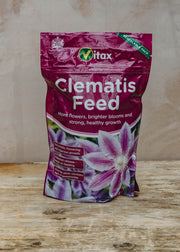
Clematis Feed, 0.9kg
+
£7.00
Dimensions

- 3L
- Height and Spread: 100cm (3ft 3in) x 100cm (3ft 3in) in 2-5 years
Features
notes
New for 2026 from Raymond Evison, the compact, large- flowered climber, Clematis ‘Eliza’ bears almost ruffled blooms, which open as pale blue, before maturing as pure white. The anthers are dark red, adding an interesting contrast. Repeat flowering, the flowers begin in late spring before taking a break, returning in late summer. The compact form is ideal for container gardening or for growing at the front or mid border on an obelisk.
Insights
Clematis have their roots in the Far East. The first example, C. Viticella, arrived in Europe in the mid-16th century. Two centuries later, the Victorians bred numerous varieties and their popularity continues. The native climber is C. Vitalba, a familiar sight in autumn hedgerows, the fluffy seed heads explaining the traditional name: Old Man’s Beard.
Details
- Flowers: May- June, then August - September
- Hardy
- Deciduous
Planting
- Moist, well-drained soil
- All aspects
- Full sun or partial sunlight
Care
- Clematis like full sun or partial shade and moist, but well-drained soil, with their roots in the shade. For this, plant the crown 5-8cm (2-3in) beneath the soil, ideally shaded by other plants.
- Alternatively layer stones on the surface of the soil, which protects the roots from the sun and from drying out.
- Group Raymond Evison for pruning - reduce all stems down to 15cm (6in) of soil level in late winter/early spring.
- Can be a skin irritant and harmful to pets if ingested
Glossary