




Land, by Maggie O'Farrell
Maggie O’Farrell’s Land is an ambitious and richly atmospheric novel that explores the intricate connections between people, memory, history and place. Set in Ireland in the years following the Great Famine, it follows Tomás, a cartographer working on the Ordnance Survey, and his son Liam as they travel through a landscape marked by loss, resilience and the enduring legacy of colonial rule. What begins as a story of map-making gradually unfolds into something far more profound: a meditation on belonging, inheritance and exile, and on the ways in which the land itself can hold, shape and preserve the memories of those who have lived upon it.
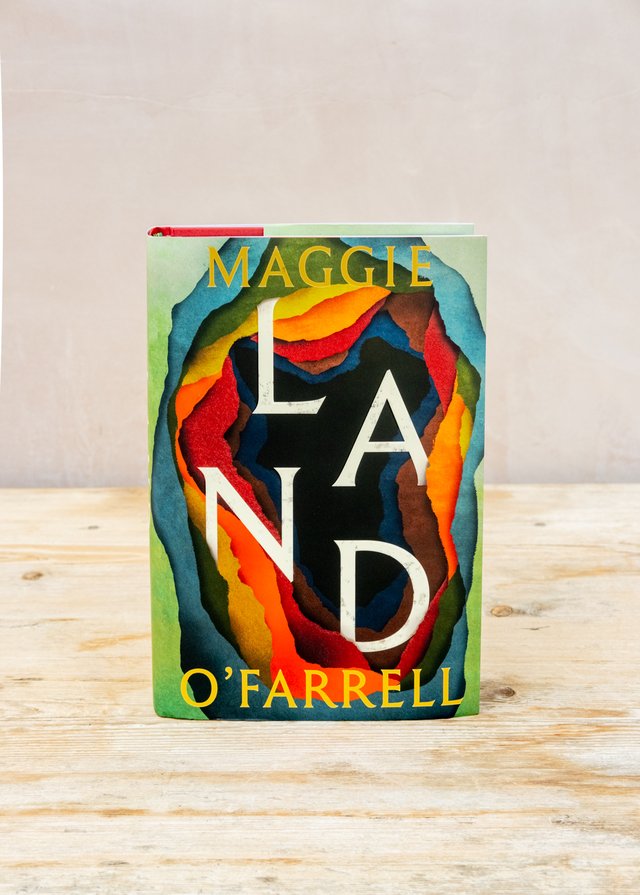
One of Maggie O’Farrell’s greatest gifts as a writer is her ability to combine meticulous historical research with profound emotional resonance, and Land is no exception. The Irish landscape is rendered with extraordinary richness and sensitivity, becoming as vital to the story as any of its characters. Themes of displacement, resilience and belonging run throughout, while subtle threads of folklore and myth lend the narrative an air of quiet enchantment.
At its heart, the novel is preoccupied with questions of ownership, memory and identity. O’Farrell explores the tension between recording a place and truly understanding it, asking who has the authority to define a landscape and whose histories endure within it. Yet for all its depth and ambition, Land never loses sight of the power of storytelling. Beneath its thoughtful exploration of history and place lies a compelling and deeply human narrative that carries the reader effortlessly from beginning to end.
The story unfolds gradually, revealing itself through multiple perspectives and layers of narrative, yet it draws the reader in with quiet assurance and becomes increasingly rewarding as it progresses. Rich in atmosphere and reflection, Land invites contemplation, but it is also punctuated by moments of genuine drama and emotional power that give the novel its momentum and heart.
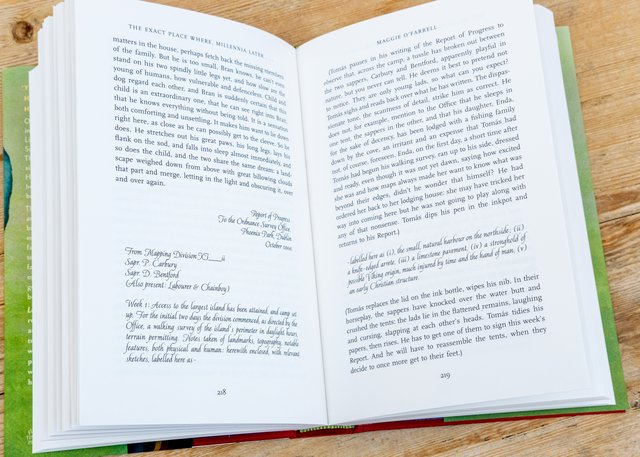
We cannot recommend Land highly enough. It is a novel of remarkable beauty, intelligence and emotional depth. Readers who admired Hamnet will find much to cherish here: luminous prose, unforgettable imagery and a profound understanding of what it means to belong - to a place, to a family and to a history. Ultimately, it is a moving exploration of the enduring relationship between people and landscape, and of the ways in which each shape and leaves its mark upon the other.
Discover more from our Reading Room




Learn more with our stories and guides


Glossary
