





Resilience in the garden
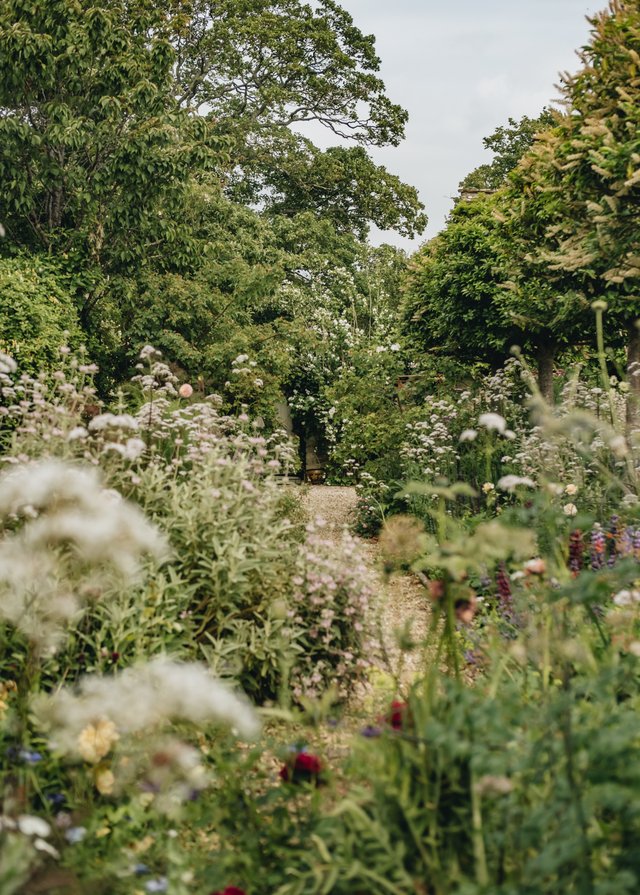
With weather predictions pointing to drier summers, wetter winters, and temperature increases of up to 7°C by 2070, British gardens will need to adapt to far more extreme and unpredictable conditions. Selecting drought-tolerant and adaptable plants is an important first step, but the aim goes beyond mere survival. The real objective is to create a garden that remains sustainable, resilient, and able to thrive in the face of changing conditions. Resilient gardens also have a positive impact on wildlife, as their survival depends on having access to a reliable and consistent food source.

Drought tolerance
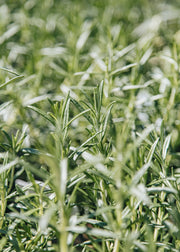
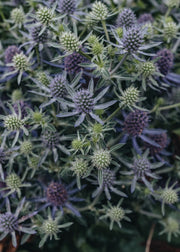
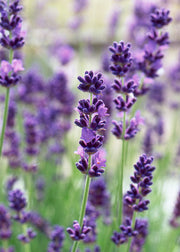
When choosing plants, considering their origins can often indicate how well they will perform in certain conditions. For example, a Mediterranean-style planting scheme is ideal for drought tolerance, as many of these plants naturally thrive in arid climates. Favourites such as Lavender, Rosemary, and Thyme all enjoy dry conditions, as does Halimium umbellatum and the South African native Agapanthus. Silver leaved plants generally reflect sunlight, making Stachys or Eryngium excellent choices. Planting trees for shade and using mixed planting schemes, including evergreens, can further help plants cope with high temperatures. Collecting and storing rainwater in butts for watering plants during dry spells is crucial, while mulch is a valuable ally in the fight to retain moisture.
Drought tolerant planting options



Wet and dry tolerance
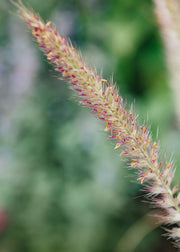
Surprisingly, some plants can thrive in a wide range of weather conditions. Shrubs such as Cornus, Sambucus nigra, and Salix can tolerate both wet and dry periods, although Sambucus nigra is the most adaptable of the three. In borders, Helenium, Salvia, and Spiraea also perform well in varying conditions. Pheasant's tail grass and Hakonechloa macra are equally versatile and low-maintenance ornamental grasses. The dwarf conifer, Pinus Mugo is also a great shrub for the garden, able to cope with both drought and freezing conditions. It is an ideal choice for a gravel garden, which copes with both wet and dry weather. The gravel allows rainwater to drain freely, while reducing evaporation during dry spells, suppressing competitive weeds, and helping to regulate soil temperature.
Wet and dry tolerant plants


Native
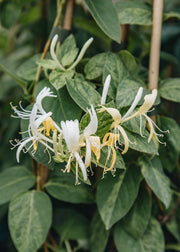
Native plants have evolved in a particular geographical region and have adapted to local climate variations, resulting in a reduced need for water (compared to non-native plants) and lower maintenance. They also help to support the ecosystem in the garden, improving soil conditions and encouraging beneficial pollinators and wildlife. Plants such as Yarrow, Primrose, Foxglove and Honeysuckle are all British natives that are useful additions to a resilient garden.
Native plants




All rounders
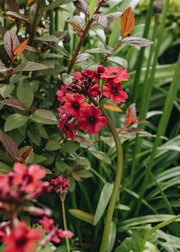
We all want plants that are low maintenance – that are tough enough to withstand the vagaries of the climate and require little intervention. Heuchera, Geranium, Rudbeckia, Perovksia, Geum and Viburnum all tick this box, alongside the self-clinging climber Hydrangea viburnoides.
By filling the garden with a variety of plants and planting in conditions suitable for their needs, the resulting biodiversity will be more resilient than single species planting. It is also important that plants develop a good root system during their establishment, achieved through careful consideration of planting at the appropriate time, minimising competition from surrounding plants, and managing watering carefully. Light, infrequent watering encourages the plant to seek its own water source rather than depending on surface watering. Rootgrow (mycorrhizal fungi) can also help strengthen and support root development. It is important to note that many plants will take three years in a new location before they reach true resilience.
Learn more with our stories and guides


Glossary
